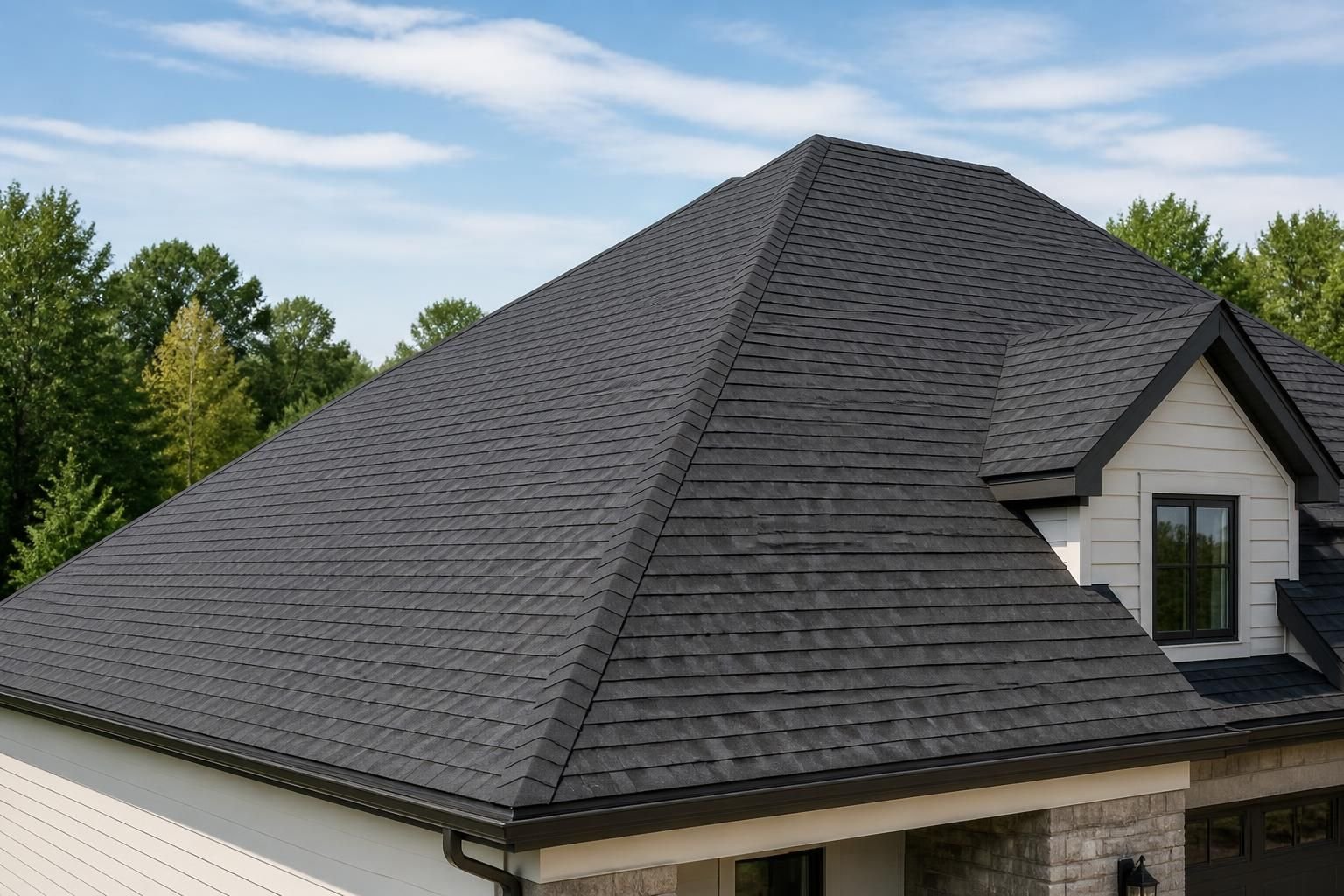
Every winter, a sheet of snow lets go from a roof somewhere in Weber County and lands on a car, a porch, or worse, a person. Snow guards are small devices that help prevent that. They are easy to overlook until you need them. Here is how to tell if your home should have them.
What Snow Guards Do
Snow guards are small fixtures attached to the roof. They hold snow and ice in place so it melts and comes off slowly, instead of sliding off all at once. They do not stop snow from ever leaving. They break it up and slow it down.
Think of what happens on a slick roof. Heat from inside the home can melt a thin layer of water at the bottom of the snow. The snow then rides on that layer like a sled. When it finally moves, it can come off as one heavy slab.
Which Roofs Need Them Most
Snow guards are most useful on roofs where snow slides easily:
- Metal roofs. The smooth surface offers little grip. Metal roofs are the most common place for snow guards.
- Steep roofs. The sharper the angle, the faster snow moves.
- Slate, tile, and wood roofs. These can be slick or fragile.
- Roofs above walkways. Entries, driveways, decks, and patios are all danger zones.
- Lower roofs and structures under a higher roof. A sliding slab can crush what is below it.
Utah’s building code also addresses this. It says exits that sit under down slope eaves must be protected from sliding snow and ice. That is a good reminder that this is a safety issue, not just a nice extra.
Types of Snow Guards
The right type depends on your roof material. Common options include:
- Clamp on guards for standing seam metal. These grip the seams, usually with set screws, so no holes are drilled in the metal.
- Fastened guards. These are attached to shingle, tile, or slate roofs and sealed against leaks.
- Clear plastic guards. Some use a strong clear material so they blend in with the roof.
- Rail or bar systems. These run in rows across the roof and work well on long slopes.
Color matched guards are available if looks matter to you. What matters more is that the type suits your roof and the amount of snow you get.
Installation Is Everything
A snow guard is only as good as its mounting. If it is placed wrongly, spaced too far apart, or attached poorly, it will not hold. It can even damage the roof or cause leaks. The number of guards and the pattern depend on roof slope, roof length, and the local snow load.
On a metal roof, a guard that is too weak can rip loose when a slab lets go. That leaves you with the same danger plus a damaged roof. This is not a place to cut corners.
Snow Guards vs. Heated Gutters
People sometimes mix these up. They do different jobs. Snow guards keep the snow on the roof so it melts in place. Heat cables and heated gutter systems help melted water drain off instead of refreezing. Some homes need both. If you have had ice dams or icicles that grow into large spikes, heat may help. If you have had snow slides, guards are the answer.
What About Gutters?
Sliding snow can tear gutters right off a house. If your gutters get pulled loose every winter, that is a clue that snow guards could help. They protect the gutter and everything below it.
Simple Questions to Ask Yourself
- Is my roof metal, steep, or slick?
- Do people or cars pass under the roof edge?
- Have I seen large slabs of snow fall in past winters?
- Have my gutters or railings been damaged by snow?
If you answered yes to any of these, it is worth a look.
Things Snow Guards Cannot Do
It is fair to be honest about the limits. Snow guards do not make a roof stronger, and they do not reduce the weight of snow sitting on it. Because they hold snow in place, the roof carries that snow a bit longer. Your roof still has to be built for the load. They also will not stop ice dams. Think of them as one tool in a winter plan, not a cure for everything.
Add Them Before the Snow
The best time to install snow guards is in the fall, or during a new roof installation. Installing them in winter is harder and riskier.
Ogden Elite Roofing can look at your roof, recommend the right guards, and install them correctly. Call us to set up an inspection before the first big storm.