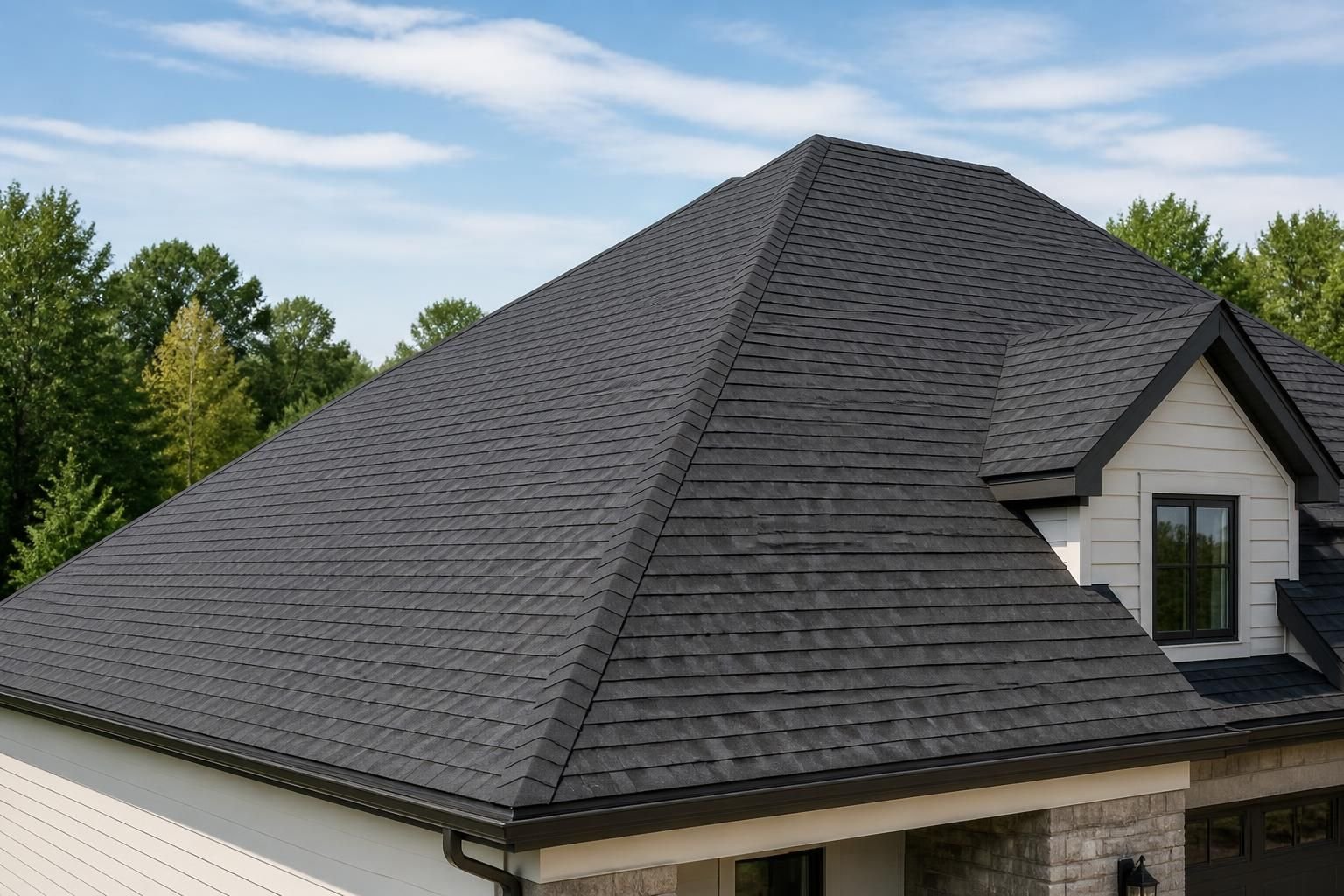
Ogden sits at the foot of the Wasatch Mountains, and the snow shows it. A single big storm can drop a lot of weight on a roof in a short time. Most roofs handle it fine. But it helps to know how snow load works, what the warning signs are, and when to act.
Snow Is Heavier Than It Looks
Fresh, fluffy snow is light. Wet, heavy snow is not. Snow that has melted a little and refrozen can be several times heavier than the powder that fell first. Rain on top of snow adds even more weight, because the snow soaks it up like a sponge.
The weight is spread across the whole roof, so a big roof carries a lot in total. That is why engineers talk about snow in pounds per square foot, often called psf.
How Utah Sets the Rules
Utah does not use one snow number for the whole state. The state building code uses a different design snow load for each location, based on elevation and local snowfall. Homes higher on the east bench in the Ogden area are designed for more snow than homes down in the valley. Your city building department can tell you the number for your address.
New homes are built to meet that number. Older homes may have been built to an older standard. A roof built long ago can still be fine, but it has less of a safety cushion if it has been altered or has aged.
Why Roof Shape Matters
Not every part of your roof carries the same load. Wind moves snow around and piles it up in certain spots. This is called drifting. Common drift zones include:
- Where a lower roof meets a taller wall.
- Around chimneys, dormers, and skylights.
- In valleys, where two roof slopes meet.
- Behind parapets or other raised edges on flat roofs.
Flat and low slope roofs, which are common on commercial buildings and some garages and additions, hold snow longer than steep roofs. Steep roofs shed snow more easily, but that brings other problems, like sliding snow. We cover that in our post on snow guards.
Warning Signs of Too Much Load
Most roofs never reach their limit. But if you have had a heavy winter, watch for these signs:
- Doors or windows that suddenly stick or will not close.
- New cracks in drywall or plaster, especially near corners.
- Creaking, popping, or cracking sounds from the roof or ceiling.
- Sagging in the roof line or in the ceiling.
- Leaks that show up when snow starts to melt.
If you notice several of these, get everyone out of the area and call a professional. Do not wait to see if it gets better.
Should You Shovel the Roof?
Usually not, and never from a ladder in icy conditions. Roof work in winter is one of the most dangerous jobs there is. Falls are a real risk. A shovel can also tear shingles or damage flashing.
If you must remove snow, a long handled roof rake lets you pull snow down from the ground. Clear the first few feet near the edge. Do not scrape the roof down to the shingles, since that can damage them. For large flat roofs or heavy loads, hire a company with the right training and fall protection.
Keep the Roof in Good Shape Before Winter
A roof that is well kept handles snow better. A fall check can save you from a mid winter emergency:
- Look for loose, cracked, or missing shingles.
- Check flashing around chimneys, vents, and skylights.
- Clear leaves and debris from gutters and valleys.
- Make sure the attic has good insulation and airflow, which also helps with ice dams.
- Look for rot or soft spots in the wood at the eaves.
What About Additions and Changes?
If you have added a solar system, a heavy roof covering, or an extra layer of shingles, the roof carries more dead weight all year. That leaves less room for snow. Before you add weight, ask a roofer or engineer if the roof can take it. Many cities require a permit and review for this kind of work.
Flat Roofs and Garages Need a Look Too
Detached garages, sheds, carports, and patio covers are often built lighter than the main house. They are also easy to forget. After a big storm, check them first. A lightly built roof can sag long before the main roof shows any sign of stress. Tarp covers and fabric structures are especially at risk, so clear them often from the ground.
When to Call Us
Call Ogden Elite Roofing if you see signs of stress after a storm, if you are not sure about your roof’s age and condition, or if you want a fall inspection before the snow flies. We will tell you what we find and what, if anything, needs fixing. Contact us today to set up a visit.